



The Ultimate Guide to CNC Gear Hobbing Machines: Precision, Speed & Performance
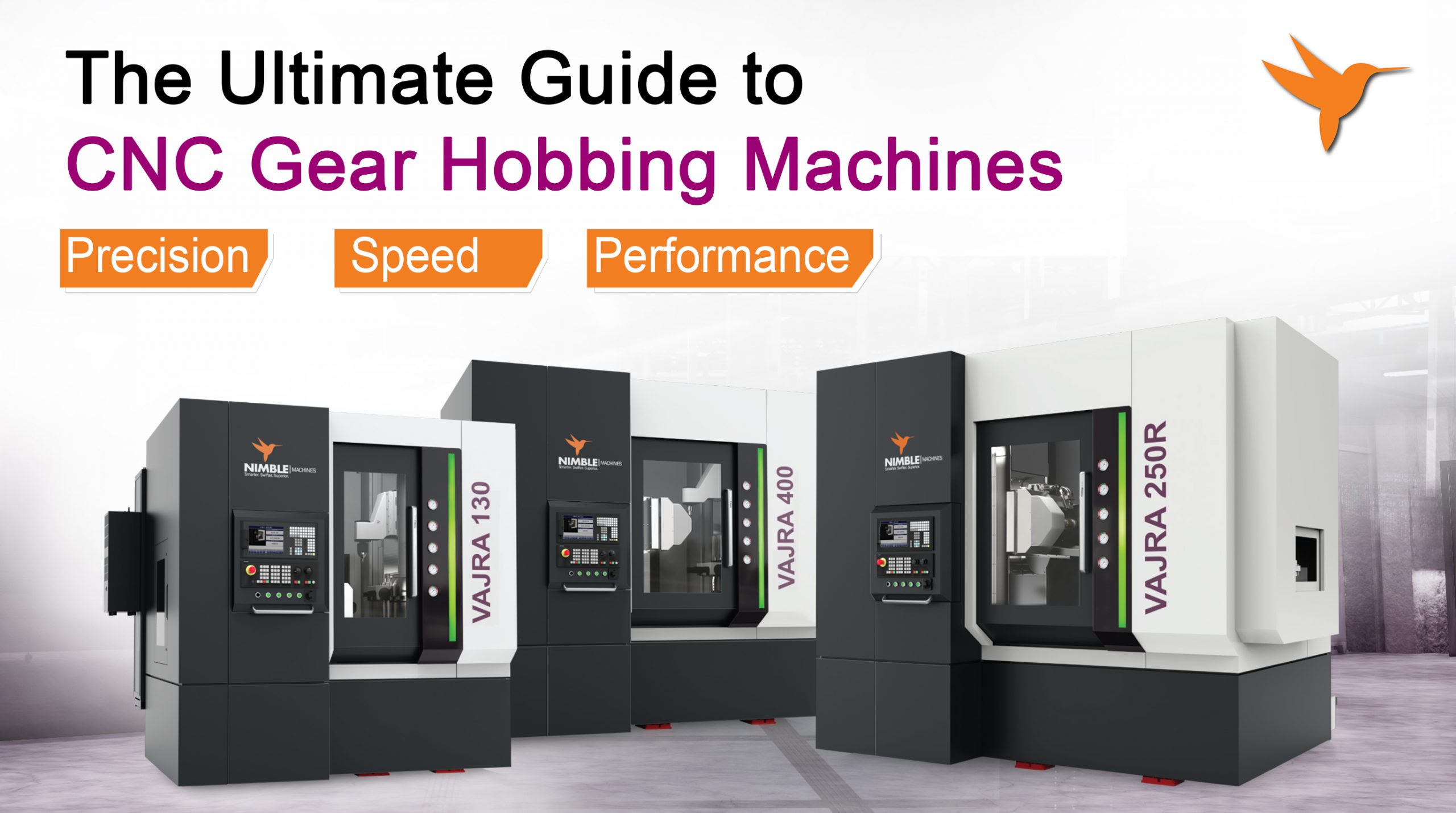
Investing in a CNC Gear Hobbing Machine is a critical decision that directly impacts productivity, gear quality, cost-per-component, and long-term manufacturing competitiveness.
Modern CNC Gear Hobbing technology offers significantly higher cutting speeds, improved accuracy, and advanced automation capabilities. However, maximizing Return on Investment (ROI) depends on selecting a machine configuration that aligns precisely with your production requirements.
Whether manufacturing high-volume automotive gears or specialized industrial spline components, choosing the right machine requires a strategic evaluation of your application, production targets, and future scalability.
1. Gear & Production Requirements
The first step in selecting the right machine is understanding the components you intend to manufacture.
Machine capability must match:
Gear size and module range: Ensure the maximum workpiece diameter and module capacity accommodate your largest planned parts without sacrificing the rigidity needed for smaller components.
Component geometry and complexity: Evaluate if you require multi-axis capabilities for cutting helical gears, tapered splines, or specialized worm gears in a single setup.
Material grade and hardness: High-alloy steels and pre-hardened materials require higher torque at the hob spindle and superior dampening characteristics from the machine bed.
Required gear quality standards: Machines must be rated for the specific DIN or AGMA quality classes your customers demand, ensuring consistent tooth-to-tooth composite errors are minimized.
Annual production volume: This metric determines the necessary level of machine duty cycle and whether a standard or heavy-duty spindle configuration is warranted.
Production Volume & Machine Rigidity
High-volume production environments require machines with superior structural rigidity and thermal stability to maintain consistent accuracy during continuous machining.
Rigid machine construction minimizes vibration during high-speed cutting, improving:
Surface finish
Tool life
Gear accuracy consistency
Precision & Gear Quality
Applications such as automotive steering systems, transmission gears, aerospace components, and hydraulic pump gears demand strict DIN quality standards and repeatable micron-level precision.
To meet these stringent standards, the CNC gear hobbing machine must provide advanced software compensation and high-resolution feedback systems to control:
Tooth profile accuracy
Lead accuracy
Runout control
Pitch consistency
High-Speed Cutting Capability
In the era of mass production, high-speed hobbing utilizing advanced carbide or cermet hobs is no longer optional; it is a prerequisite for staying competitive. Dry hobbing technology has also gained traction, eliminating the environmental and financial costs associated with oil-based coolants while allowing for higher cutting temperatures.
Machines designed for high-speed carbide cutting enable:
Faster cycle times
Higher material removal rates
Improved productivity
Lower cost-per-component
Extended tool life
2. Automation, Control & Productivity
The integration of automation should be viewed through the lens of machine utilization. The goal is to keep the spindle turning for the maximum number of hours per year. Your choice between full robotic integration and flexible manual setup should be driven by your average batch size and changeover frequency.
High-Volume Production
When producing automotive or hydraulic components at scale, saving even a few seconds on loading translates to thousands of additional parts per year. To minimize “chip-to-chip” time and ensure steady output across all shifts, automated loading is essential.
By integrating Robotic Loading, Gantry Systems, or Ring Loaders, facilities can:
Eliminate manual handling time and operator dependency.
Eradicate idle time between machining cycles.
Elevate productivity, process consistency, and Overall Equipment Effectiveness (OEE).
Flexible & Batch Production
Job shops and facilities dealing with a high variety of component types (low-volume, high-mix) have different priorities. For these users, the time spent during changeovers is the biggest threat to profitability. The focus must shift toward how quickly a new part program can be loaded and the tool changed.
In such environments, user-friendly CNC controls, quick-change tooling systems, and simplified setup macros become critical for minimizing changeover time and improving operational efficiency.
3. Maintenance Accessibility & OEM Support
Even the most advanced CNC machine becomes a production risk if downtime is difficult to manage.
Maintenance-Friendly Design
Machines designed with TPM-friendly accessibility simplify routine maintenance activities and reduce Mean Time To Repair.
Easy access to:
- Hob head assemblies
- Hydraulic systems
- Lubrication units
- Electrical panels
- Automation systems
helps improve long-term machine reliability and serviceability.
Importance of OEM Support
Strong after-sales support is equally critical when evaluating a machine investment.
A reliable OEM should provide:
- Fast spare parts availability
- Application support
- Process optimization assistance
- Trained service engineers
- Long-term technical partnership
to ensure stable production performance throughout the machine lifecycle.
The Right Machine Drives Higher Productivity
Selecting the correct gear hobbing solution is not just about purchasing a machine — it is about building manufacturing capability.
When machine configuration, automation level, cutting technology, and support systems align with production requirements, manufacturers benefit from:
Higher productivity
Consistent gear quality
Reduced cycle times
Lower cost-per-component
Improved process reliability
Expand Your Manufacturing Capability with Nimble Machines
The VAJRA Series from Nimble Machines is engineered to meet diverse gear manufacturing requirements across automotive, industrial, hydraulic, agricultural, and off-highway applications.
With:
High-rigidity machine construction
Advanced CNC controls
High-speed carbide hobbing capability
Automation-ready configurations
Flexible setup adaptability
With automation-ready configurations and a focus on high-speed carbide hobbing, the VAJRA Series offers the precision and relentless productivity needed to scale your business into the future of gear manufacturing. Discover how Nimble Machines can transform your shop floor output today.
